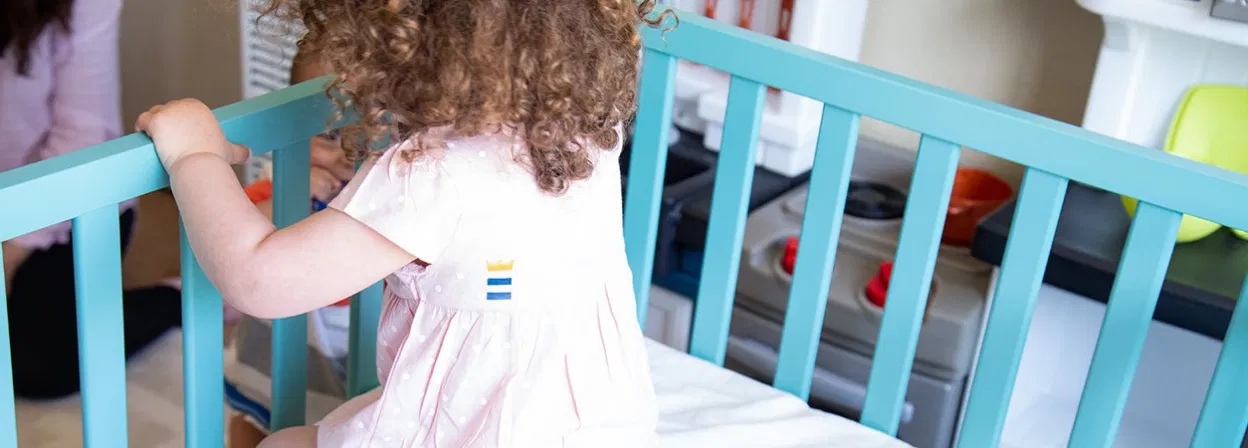
A crib is one of the most important purchases for a new baby, and safety should drive every decision. Beyond that, the best crib depends on your space, budget and whether you want it to grow with your child. This baby crib buying guide explains safety basics, key features and common types so you can choose with confidence.
As an Amazon Associate, we earn from qualifying purchases. Some links on this page are affiliate links, so we may earn a commission at no extra cost to you. We have not tested these products; this guide is general information, not safety certification or medical advice. Always follow the manufacturer’s instructions and your pediatrician’s guidance.
Key takeaways
- Check current safety standards and recall notices before you buy any crib.
- Pair the crib with a firm mattress that fits snugly, with no gaps at the sides.
- A convertible crib can last longer, but confirm which conversion parts are included.
- Keep the crib bare: no loose blankets, pillows, bumpers or soft toys.
- Measure your room and doorways before ordering.
Baby crib safety checklist
- Current standards and recalls. Confirm the crib meets current safety standards in your country, and check for recall notices.
- Slats and structure. Slats should be sturdy, evenly spaced and undamaged. Nothing should be loose or missing.
- Mattress fit. Use a firm mattress that fits snugly, with no gaps at the sides.
- Bare is best. Pediatric safe sleep guidance recommends no loose blankets, pillows, bumpers or soft toys in the crib, and putting babies to sleep on their backs.
- Placement. Keep the crib away from windows, cords, blinds and heaters.
- Assembly. Follow the instructions exactly and check that hardware stays tight over time.
- Secondhand cribs. Avoid them unless you can confirm they are not recalled and have all parts and the manual. Older cribs may not meet current standards.
Types of cribs
Standard cribs
Full-size cribs are the most common choice, with a range of designs, finishes and prices.
Convertible cribs
These transform into a toddler bed and sometimes a daybed or full bed, using conversion kits that may be sold separately. They can offer long-term value, but check what is included.
Mini and portable cribs
Smaller cribs suit tight spaces and travel. Check the mattress size and age and weight limits.
Cribs with storage
Some include drawers underneath. Check that the design remains stable and safe.
Features worth comparing
- Adjustable mattress height: a higher setting for newborns and a lower setting as the baby grows and starts to stand.
- Finish and materials: look for finishes described as non-toxic and read the listing details.
- Teething rails: some cribs include covers for chewable rails.
- Ease of assembly: reviews often reveal whether instructions are clear.
- Size: measure your room and door widths.
- Style: choose a design that fits your nursery, but never at the expense of safety.
Choosing a crib mattress
The mattress is just as important as the crib. Choose a firm, flat mattress sized for your crib, with a snug fit. Check the listing for materials and cleaning instructions, and use a waterproof, fitted sheet designed for it.
When to move on
Most children move out of a crib between about two and three years old, or sooner if they begin to climb out. If your child can climb over the rail, it is time to switch to a toddler bed. Our guide to choosing a toddler bed rail explains how to approach that stage safely.
Frequently asked questions
Do I need a crib right away?
Many families use a bassinet for the first months, then switch to a crib.
Is a convertible crib worth it?
It can be, as long as you check what conversion parts are included.
How do I know the crib is safe?
Check standards and recalls, follow assembly instructions and use only a fitted mattress and sheet.
Can I use bumpers?
Safe sleep guidance advises against crib bumpers.
What size mattress does a standard crib use?
Full-size cribs take a standard crib mattress, but sizes can vary slightly by brand. Always check the crib’s manual and buy a mattress that fits with no gaps at the sides.
Can a crib go next to the bed?
Many parents keep the crib in their room for the early months. Follow the manufacturer’s placement instructions and keep it clear of cords, blinds and heaters.
Related baby guides
- How to choose a bassinet: safety, features and space
- How to choose a bed rail for toddlers
- How to choose diapers: sizing, fit and skin sensitivity
See more nursery picks in our household guides.