Quick answer: To choose a baby stroller, start with where you will push it, how you will store it, and whether you need a newborn-ready setup. For one stroller that grows with your family, look at the UPPAbaby Vista V3. For a lighter everyday option, the Baby Jogger City Mini GT2 or Graco Modes Pramette are strong picks, and the Stokke YOYO3 is a compact travel choice.
As an Amazon Associate, we earn from qualifying purchases. Some links on this page are affiliate links. We have not tested these products ourselves; this guide is based on manufacturer specs, listing details and buyer reviews as of November 2026. Prices and availability change, so check the listing before you buy. Always follow your stroller’s manual for age, weight and newborn use, and check for recalls before using any stroller.
How to choose a baby stroller: a quick checklist
Most stroller regret comes from a mismatch with daily life, not from a bad product. Answer these questions first and the right type usually becomes obvious.
- Newborn use: Young babies need to lie flat or ride in an infant car seat that clicks onto the frame. Check whether the stroller has a bassinet, a full-recline seat or car seat compatibility, and what is sold separately.
- Car seat fit: If you already own an infant car seat, confirm the stroller works with it and whether you need adapters.
- Stroller weight and fold: You will lift it into a trunk, up stairs and onto buses. Note the weight, whether it folds with one hand, and whether it stands when folded.
- Terrain: Small wheels are fine on smooth sidewalks. Gravel, grass and snow call for larger wheels and suspension.
- Storage space at home: Measure your trunk and hallway. Folded size matters as much as weight.
- Growth and siblings: Check the maximum child weight. If you plan more kids, a single-to-double stroller can save buying twice.
- Safety basics: A five-point harness, a parking brake that is easy to set, a canopy and a basket under the seat (not hooks on the handle) are the essentials.
The main types of baby strollers
- Full-size: The everyday workhorse, with a big basket and comfy seat. Heavier and bulkier.
- Expandable (single-to-double): Starts as a single and adds a second seat later.
- Lightweight and travel: Small fold and low weight, with smaller wheels and baskets.
- All-terrain and jogging: Big wheels and suspension. Only strollers made for running should be used for running.
- Travel system: A stroller sold with a matching infant car seat, so you can move a sleeping baby from car to stroller.
Baby strollers compared
| Pick | Best for | Key features | What to check |
|---|---|---|---|
| UPPAbaby Vista V3 | Growing families | Expandable, 50 lb per seat, 30 lb basket, one-step fold that stands | About 27.6 lb; bassinet and second seat sold separately |
| Baby Jogger City Mini GT2 | Everyday use on mixed surfaces | All-wheel suspension, rubber tires that do not go flat, one-hand fold, up to 65 lb | Seat from 6 months; from birth only with a compatible infant car seat |
| Graco Modes Pramette | Value full-size pick | Seat converts to a pramette for infants, reversible seat, about 20.9 lb, up to 50 lb | Works with Graco infant car seats |
| Stokke YOYO3 | Travel and small spaces | About 13.7 lb (6+ version), very compact fold, 22 lb basket | Seat from 6 months; newborn pack or bassinet sold separately |
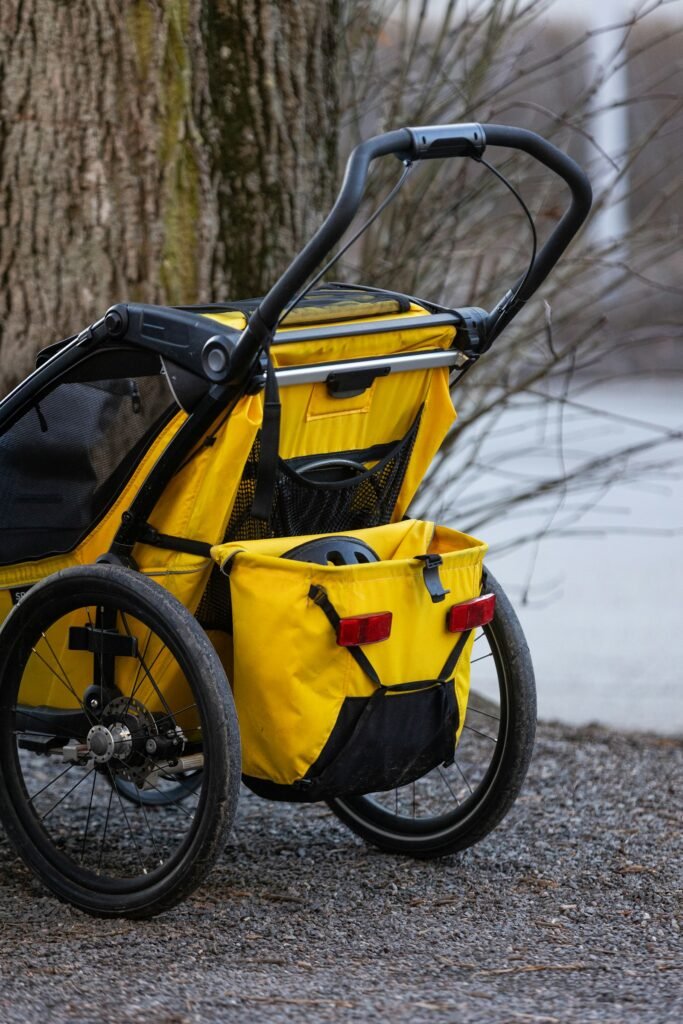
| Thule Urban Glide 3 | Rough paths and active parents | Big wheels, twist hand brake, lockable front wheel, up to 49 lb | Not for running; Thule sells the Glide 3 for jogging |
5 baby strollers worth a look
1. UPPAbaby Vista V3
The Vista V3 is a full-size stroller that can expand as your family grows. Retailer specs list a 50 lb limit per seat, an extra-large 30 lb basket, a UPF 50+ canopy and a one-step fold that stands on its own. The toddler seat is for about 3 months and up; for a newborn, you add the bassinet or a compatible infant car seat. UPPAbaby says its Mesa and Aria infant car seats attach directly without adapters.
Best for: families who want one stroller from birth through siblings. Consider: it weighs about 27.6 lb, and the bassinet and second seat cost extra.
2. Baby Jogger City Mini GT2
This three-wheel stroller is known for its quick one-hand fold. Listings show about 22.4 lb, a 65 lb child limit, all-wheel suspension and rubber tires that never go flat, which helps on cracked sidewalks and park paths. The seat is for about 6 months and up; from birth you pair it with a compatible infant car seat. The brand notes it is not meant for jogging.
Best for: parents who want a lighter everyday stroller that handles bumpy ground. Consider: the basket is smaller than on bigger full-size strollers.
3. Graco Modes Pramette
The Modes Pramette is a budget-friendly full-size option with a clever seat. Graco says the reversible seat converts into a pramette mode for infants, then works as a toddler seat up to 50 lb. Graco lists the stroller at about 20.9 lb with a one-hand fold, and it works with Graco infant car seats if you want a travel system.
Best for: first-time parents on a budget who want newborn-to-toddler use. Consider: car seat compatibility is mainly with Graco seats.
4. Stokke YOYO3
The YOYO3 is a compact stroller that folds down small, about 20.5 x 7.1 x 17.3 inches, and comes with a padded shoulder strap. The 6+ version weighs about 13.7 lb and holds a child up to 48.5 lb, with a basket rated for 22 lb. Retailers market it as carry-on compatible, but airline rules vary, so check before you fly. For a baby under 6 months, Stokke sells a newborn pack, a bassinet and car seat adapters separately.
Best for: frequent flyers, city apartments and small trunks. Consider: small wheels are happiest on smooth ground, and some owners say the harness takes practice.
5. Thule Urban Glide 3
If your walks include gravel trails or snowy sidewalks, an all-terrain stroller rolls much easier. Thule lists a 49 lb child limit, a twist hand brake, a front wheel you can lock for stability, and a large basket with a zip cover. It weighs about 26.2 lb. From birth, it needs the Thule bassinet or a car seat adapter, both sold separately.
Best for: outdoorsy families and rough paths. Consider: Thule says this model is not designed for jogging; its Glide 3 is the running version.
Stroller safety tips and mistakes to avoid
In the US, strollers must meet a mandatory federal safety standard from the Consumer Product Safety Commission (16 CFR part 1227, which adopts ASTM F833). Buying from a known brand and a reputable seller is the easiest way to be sure. These habits matter too:
- Buckle every ride. Use the full harness, even for short trips.
- Lock it open first. Make sure the frame is fully locked before you put your child in, and keep little fingers away from wheels and hinges.
- Set the brake whenever you stop.
- Do not hang heavy bags on the handle. Extra weight can tip a stroller backward. Use the basket.
- Do not add aftermarket inserts or padding that the manufacturer did not make for your model.
- Strollers are not beds. If your baby falls asleep on a walk, keep an eye on them, and move them to a firm, flat crib or bassinet with nothing else in it when you get home.
- Check for recalls, especially on secondhand strollers, at cpsc.gov, and register your stroller with the brand so you get notices.
Frequently asked questions
What type of stroller is best for a newborn?
Newborns need to lie flat or ride in an infant car seat that is approved for your stroller. A stroller with a bassinet, a pram mode, or a travel system setup works. Check the manual for the minimum age of the regular seat.
Do I need a travel system?
Not always, but it is handy if you drive a lot, since you can move a sleeping baby from car to stroller without unbuckling. If you buy the stroller and car seat separately, confirm they are compatible and buy the right adapters.
How heavy should a baby stroller be?
Full-size strollers often weigh 20 to 30 lb, while travel strollers can be under 15 lb. If you take stairs or transit, or will lift it into a car often, a lighter frame is worth more than extra features.
When can I go running with a stroller?
Only use a stroller that the maker says is made for running, and follow its age guidance. Many brands suggest waiting until about 6 months, so ask your pediatrician before you start.
Is a secondhand stroller safe?
It can be, if it is not recalled, has all its parts and the manual, and the brakes, harness and fold locks work. Search the model at cpsc.gov before you buy, and skip any stroller with cracked frames or missing pieces.
More guides
- Best Baby Toys 0-12 Months: Simple Picks by Stage
- Best Balance Bike for Toddlers and Sizing Guide
- How to Choose a Bassinet: Safety, Features and Space
- Baby Gift Ideas: Safe, Useful Newborn Gifts