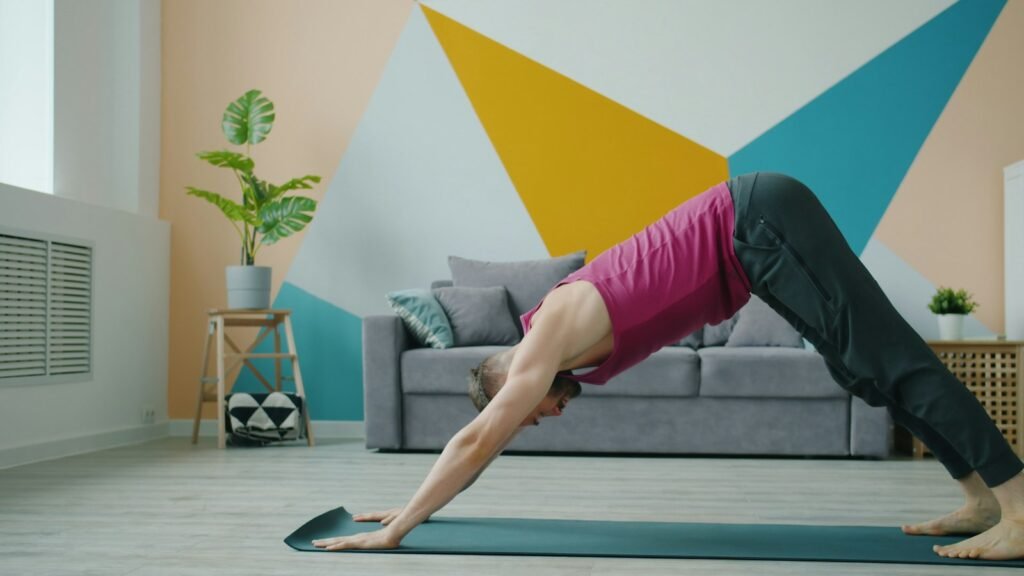
Quick answer: The best yoga mat for most people who practice several times a week is the Manduka PRO, a dense 6mm mat built to last for years. If you sweat a lot or want a natural rubber mat, look at the JadeYoga Harmony. If you are just starting out and want cushion on a budget, the Gaiam Premium 6mm is the easy pick.
As an Amazon Associate, we earn from qualifying purchases. Some links on this page are affiliate links. We have not tested these products ourselves; this guide is based on manufacturer specs, listing details and buyer reviews as of November 2026. Prices and availability change, so check the listing before you buy. If you have a joint injury, are pregnant or are new to exercise, check with your doctor or a physical therapist before starting a yoga routine.
How to choose the best yoga mat
A yoga mat is a simple product, but small differences in thickness, material and size change how it feels every single session. Run through this checklist before you buy:
- Thickness: About 4 to 5mm suits most flowing styles. 6mm adds knee and wrist comfort. Thin 1.5 to 2mm mats are for travel or layering. Very thick foam (around 1/2 inch) is soft but can feel wobbly in balance poses.
- Material: Natural rubber grips well but is heavier and can smell at first. PVC is durable and easy to clean. Polyurethane tops feel tacky and soak up some sweat. NBR foam is soft and cheap but wears faster.
- Grip: If your hands get sweaty, choose open-cell rubber or a polyurethane top. Closed-cell PVC mats resist moisture and stay clean but can feel slick until they are broken in.
- Size: Standard mats run about 68 to 72 inches long and 24 inches wide. If you are tall, look for a long version (74 inches or more) so your head and feet both stay on the mat.
- Weight: Mats range from about 2 to 7.5 pounds. A heavy mat lies flat and stays put at home. A light one is easier to carry to class.
- Allergies: Natural rubber mats contain latex. If you have a latex allergy, stick with PVC, TPE or NBR foam.
- Care: Check the cleaning instructions. Some brands void their warranty if you use harsh cleaners.
Yoga mat comparison table
| Pick | Best for | Key features | What to check |
|---|---|---|---|
| Manduka PRO 6mm | Daily home practice | 6mm, 71 x 26 in, about 7.5 lb, OEKO-TEX certified PVC, lifetime guarantee | Heavy; needs a break-in period |
| JadeYoga Harmony | Sweaty hands, natural rubber fans | 3/16 in (about 4.8mm), 24 in wide, 68 or 74 in long, about 5 lb, open-cell rubber, made in USA | Contains latex; rubber smell at first |
| Liforme Yoga Mat | Learning alignment | About 4.2mm, 185 x 68 cm, about 2.5 kg, AlignForMe markers, bag included | Premium price; marks show on light colors |
| Gaiam Premium 6mm | Beginners on a budget | 6mm, 68 x 24 in, latex-free PVC free of six phthalates, many prints | Shorter length; air out the smell first |
| Manduka eKO SuperLite | Travel | 1.5mm, 71 x 24 in, about 2 lb, foldable natural rubber | Little cushion; contains latex |
| Amazon Basics 1/2-Inch Mat | Floor exercises and stretching | 1/2 in NBR foam, 74 x 24 in, carrying strap | Too squishy for balance-heavy yoga |
The best yoga mats in 2026
1. Manduka PRO 6mm: best overall for daily practice
The Manduka PRO is the mat many teachers keep at home because it is dense, stable and made to last. The standard size is 71 by 26 inches, a little wider than most mats, and it weighs about 7.5 pounds, so it lies flat the moment you unroll it. Manduka says the PVC is certified to OEKO-TEX Standard 100, the closed-cell surface keeps sweat from soaking in, and the mat carries a lifetime guarantee. Expect a break-in period before the grip feels its best.
Best for: people who practice at home most days. Consider: it is heavy to carry to class, and a long 85-inch version is sold for tall users.
2. JadeYoga Harmony: best natural rubber mat for grip
The Harmony is JadeYoga’s best-known mat. It is 3/16 inch thick (about 4.8mm), 24 inches wide and comes in 68-inch and 74-inch lengths, at roughly 5 pounds. It is made in the USA from open-cell natural rubber with no PVC, and buyers often pick it for hot or sweaty classes because open-cell rubber holds on well when damp. The trade-offs are a rubber smell that fades over time and a surface that can show wear sooner than dense PVC.
Best for: vinyasa and hot yoga, and anyone who wants a plant-based mat. Consider: skip it if you have a latex allergy, and keep it out of direct sun.
3. Liforme Yoga Mat: best for learning alignment
Liforme’s signature feature is the AlignForMe system, a set of markers on the surface that help you place your hands and feet the same way every time. The mat is about 4.2mm thick and 185 by 68 cm (about 72.8 by 26.8 inches), so it is longer and wider than a standard mat, and it weighs about 2.5 kg. The top layer is designed to stay grippy when you sweat, and a carry bag is included. It is one of the pricier mats on this list.
Best for: newer students practicing at home without a teacher nearby, and tall users who want extra room. Consider: lighter colors can show marks, and the markers are not for everyone.
4. Gaiam Premium 6mm: best budget mat for beginners
Gaiam’s Premium mat gives you 6mm of cushion at a beginner-friendly price. It measures 68 by 24 inches, uses latex-free PVC that Gaiam says is free of the six most harmful phthalates, and comes in a long list of prints, including reversible designs. The textured surface gives decent grip for gentle classes. Gaiam notes that printed mats have a strong smell when new and suggests airing them out for a few days.
Best for: first-time buyers, stretching and gentle yoga. Consider: at 68 inches it may be short if you are tall, and it gets slippery when very sweaty.
5. Manduka eKO SuperLite: best travel yoga mat
The eKO SuperLite is Manduka’s lightest mat. It is only 1.5mm thick, about 71 by 24 inches and around 2 pounds, and it folds without creasing so it fits in a suitcase or backpack. It is made from natural tree rubber with a textured top for grip. You can also lay it over a gym or hotel mat as a clean, grippy layer.
Best for: travelers and people who walk or bike to class. Consider: it offers almost no cushion on hard floors, and it contains latex.
6. Amazon Basics 1/2-Inch Extra Thick Mat: best for floor workouts
This is not a classic yoga mat. It is a half-inch-thick NBR foam pad, 74 by 24 inches, with an elastic strap for carrying. That thick foam is comfortable for sit-ups, stretching, physical therapy exercises and lying on your back. In standing balance poses, though, the soft foam can make you wobble, so it is better as a home exercise mat than a mat for flowing yoga.
Best for: stretching, Pilates-style floor work and sensitive knees. Consider: it is less stable and less durable than rubber or dense PVC.
Mistakes to avoid when buying a yoga mat
- Buying the thickest mat for yoga. More foam feels nice at first, but it can make balance poses harder. Pick 4 to 6mm for yoga and save very thick foam for floor exercise.
- Ignoring length. If your feet or head hang off the mat in a pose, you need a longer one.
- Expecting full grip on day one. Many PVC and rubber mats feel slick until the factory film wears off. Follow the brand’s break-in tips.
- Cleaning with harsh products. Strong cleaners and oils can break down rubber and polyurethane. Use water, a mild soap or the brand’s own cleaner, and let the mat dry flat.
- Leaving rubber mats in the sun or a hot car. Heat and UV light can make natural rubber dry out and crack.
Frequently asked questions
What thickness is best for a yoga mat?
For most people, 4 to 6mm is the sweet spot. It cushions knees and wrists but still lets you feel the floor in balance poses. Choose 1.5 to 2mm for travel and thicker foam only for floor exercises.
What is the best yoga mat for sweaty hands?
Open-cell natural rubber, like the JadeYoga Harmony, and polyurethane-topped mats, like the Liforme, tend to grip better when damp. A yoga towel on top also helps in hot classes.
Are natural rubber yoga mats safe if I have a latex allergy?
Natural rubber contains latex, so people with a latex allergy should avoid it unless their doctor says otherwise. PVC, TPE and NBR foam mats are latex-free options.
How often should I replace my yoga mat?
Replace it when it starts flaking, tearing, losing grip or staying dented where your hands and feet go. Budget foam mats may last a year or two of regular use, while dense PVC mats like the Manduka PRO are built to last much longer.
How do I clean a yoga mat?
Wipe it after sweaty sessions with a damp cloth and a little mild soap or the maker’s mat cleaner, then let it air dry flat before rolling it up. Check the care label first, since some warranties depend on using approved cleaners.
More guides
- Best foam roller: firm, soft, travel and vibrating picks
- How to choose a massage gun
- Best heated blankets and throws
- Self-care gift guide